

Boxen, Deckel, Kappen: So bekommst you perfekte Passung (without Nachschleifen)
The classic: box looks good - but the lid is stuck (or wobbles). The solution is not sanding, but Inner dimension + clearance + lip. Here you will find simple starting values and specific examples from our portfolio.
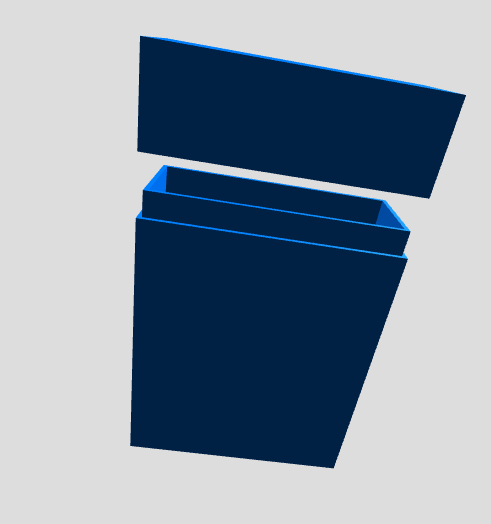
The 4 rules for lids that fit
- Plan internal dimensions: partmaß + Luft (Kabel/Stecker!)
- Define game: Start value mostly +0.3 to +0.8 mm (je nach print)
- Lip/overlap: hält, führt and versteckt Toleranz
- Wall thickness: too thin = warped; rather 1 step more stable
Guidelines: Clearance & Tolerance
| application | Guideline | Note |
|---|---|---|
| Lid (lip / matching seat) | +0.3 - +0.8 mm | Bei PLA eher more, bei cleanem PETG oft less |
| Cap / End cap | +0.2 - +0.6 mm | Wenn es „draufgeschtop“ wed |
| Screw hole | +0.2 - +0.6 mm | Yourchgangsloch |
Beispiele aus den templaten
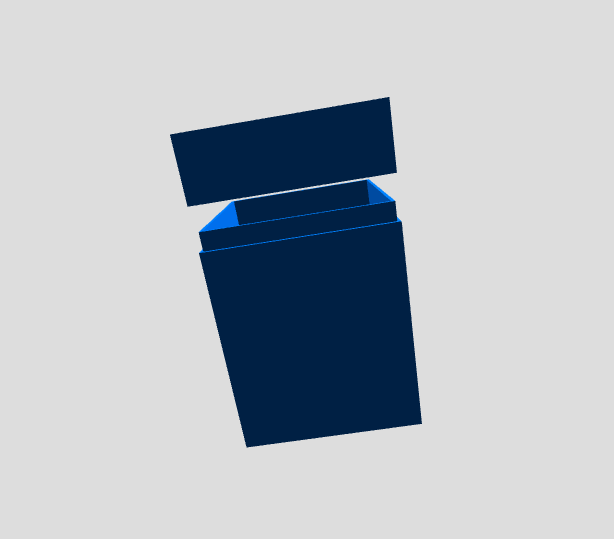
Box with Deckel (Lippe)
1) Box with Deckel & Lippe
Innenmaße, Deckelhöhe and Lippenspiel sind genau dafür da, dass der Deckel nicht klemmt.
🚀 Configure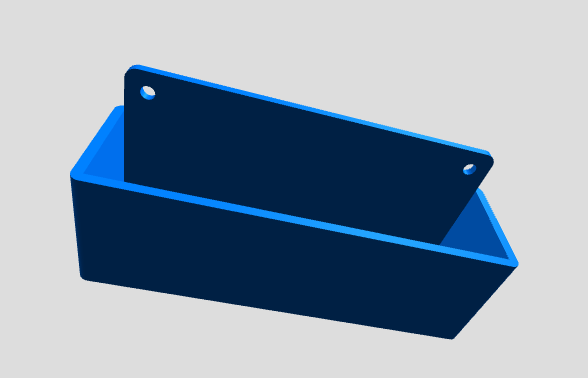
Wall-Box
2) Wand-Box (with Flansch)
For electronics: Inner dimension + air for cable/connector. Wall thickness = stability.
🚀 Configure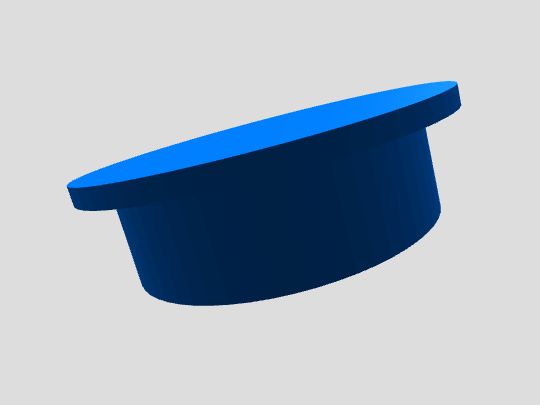
Cap
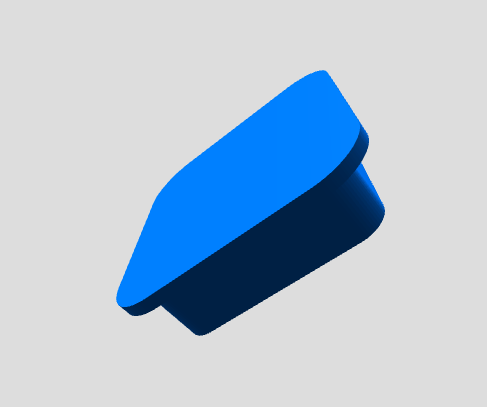
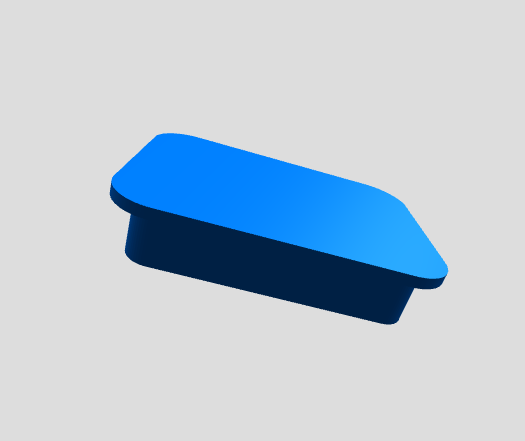
5) Rectangular cap
width/Höhe getrennt einstellen – perfekt für Rechteckprofile or Schlitze.
🚀 ConfigureFazit: Passung ist ein parameters-Problem
If you plan the inside dimensions, clearance and wall thickness properly, the lid will fit without any reworking. Find the right template and get started straight away.